Month: February 2026
-
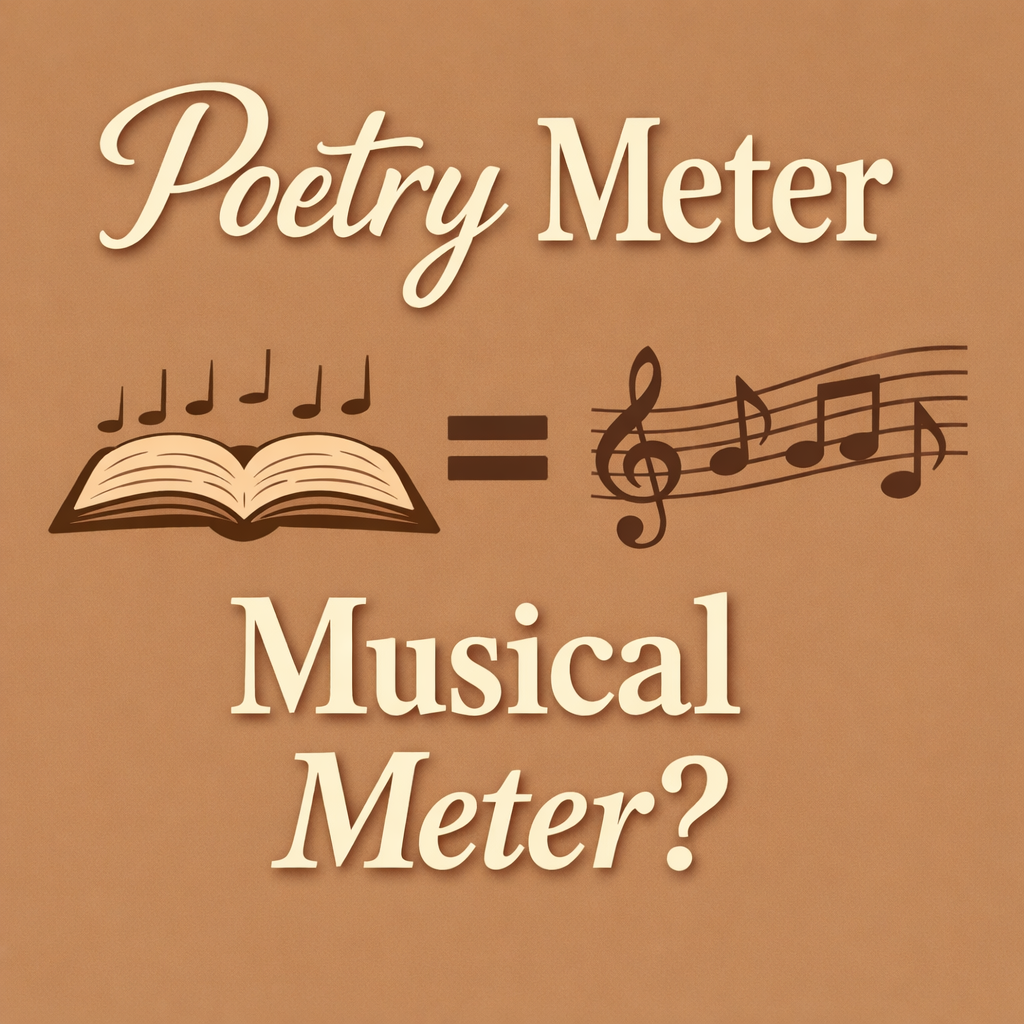
Poetry Meter = Musical Meter?
I had to show this html / javascript file I created using Claude. You type in your lyrics and it gives you the accent marks of your text. I call it the Lyric Meter Analyzer project. Here is some background: I asked the question: Is there a way to convert poetry meter to musical meter?…
-

2026 Vocal #1
This piece began with an impromptu vocal and keyboard performance, without a specific beat or drum. To find the tempo, I used the keyboard’s MIDI recording. Then, I created “bounce” copies, which muted the original tracks. Next, I transcribed the voice from audio to MIDI. This is quite a detailed process. After that, I soft…
-

MusicXML Elements
MusicXML Elements Reference This document is a structured reference to the principal MusicXML 3.x elements used to encode Western common-practice notation. See https://www.musicxml.com/ for details. Terminology follows standard musicological usage (note values, meter, pitch classes, articulations, etc.). Examples emphasize attribute variability such as rhythmic value, duration, and notation modifiers. This is not a verbatim schema listing; rather,…
-
Musical Analysis Categories
This study guide presents eleven fundamental categories of music analysis. Each category functions as a conceptual entry point, though mature analyses typically integrate multiple approaches for comprehensive understanding. Form and Structure (Structural–Formal Analysis – Examines the large-scale organization of a musical work, how sections, phrases, and formal functions relate over time to create coherence. Pitch Organization…
-
Musical Form
1. SECTIONAL FORMS (Based on Contrast and Repetition) One-Part Form (A) A single, unified section with no substantial internal contrast. Common in short character pieces, preludes, or folk melodies. Binary Form (AB or AA-BB) Two distinct sections. Covered in your document. Common variants include simple binary and rounded binary (where B concludes with A material). Ternary Form…